Written by: Aaliyah Lo-A-Njoe | ⏱️Estimated reading time: 10 minutes
Hey Marketing Mavericks,
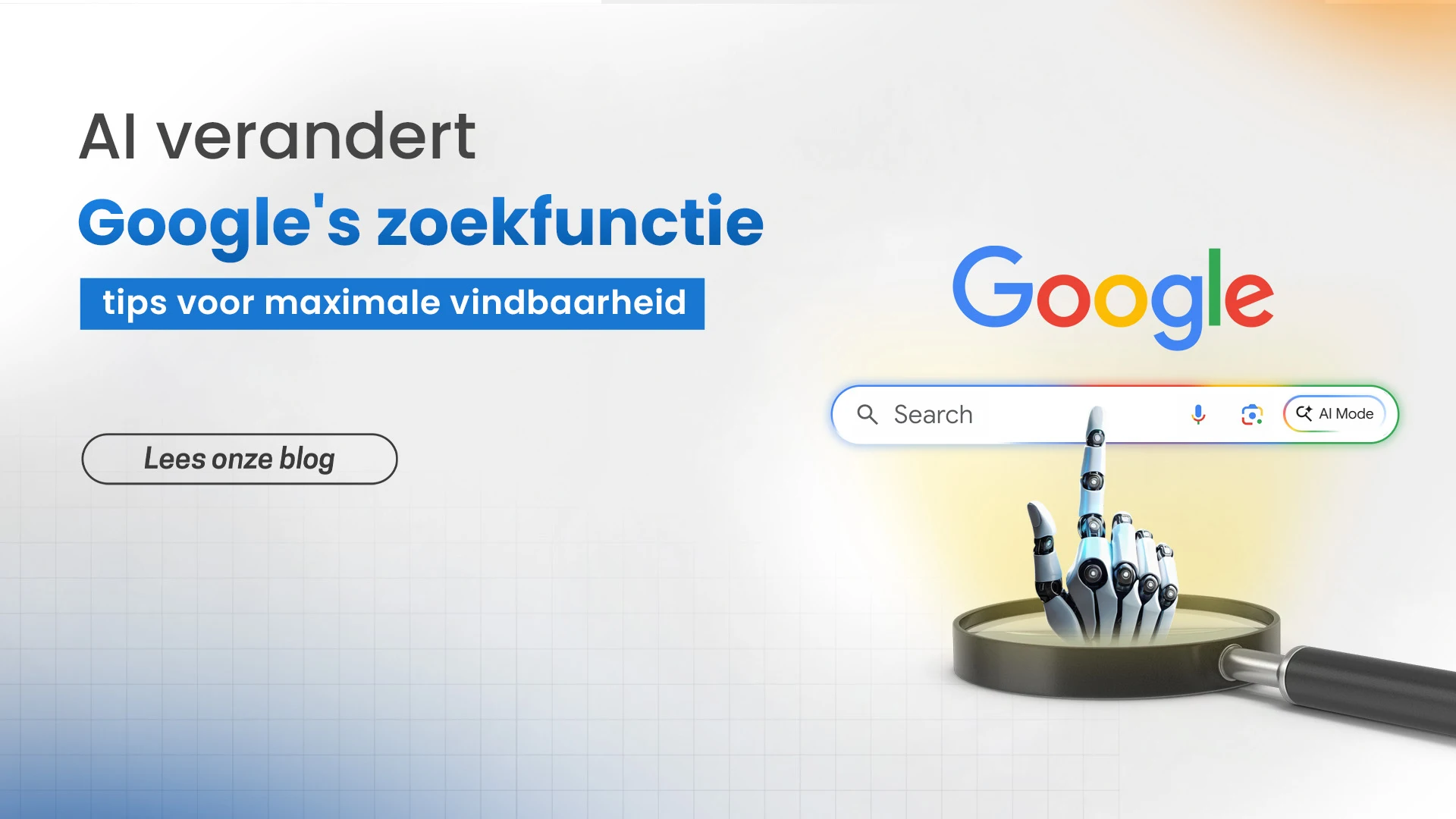
Google just launched Gemini 3. And no, this isn't just an update. This is a fundamental overhaul of how people find information. AI Mode in Google Search now brings advanced reasoning capabilities and multimodality, with the ability to drill down with follow-up questions. The rules of the game have changed—and I'm going to tell you exactly how to capitalize on them.
Why this is more than just a Google update
Let's face it. We've all thought, "Oh, another algorithm update." But this time? This time it's different.
Google's AI Overviews are now used by over 100 million people a month. Think about that. That's not a niche group of early adopters. That's practically your entire target audience.
Do you remember that first time you had to explain to a client what SEO actually was? Now we have to tell them that that nice #1 position in the search results... well, maybe it isn't the holy grail anymore. Because if an AI Overview already summarizes your answer, why would anyone click through?
The New Reality: AI Fashion Goes Mainstream

With over 100 million active monthly users searching in AI Mode, Google is poised to make it the default experience. And what does that mean for your customers?
It means traditional clicks are plummeting. Sometimes drastically. Publishers are reporting catastrophic traffic losses, with organic Google referrals plummeting. Ugh. That hurts.
But wait—before you panic and think, "SEO is dead," let me tell you this: smart agencies actually see opportunities here. Lots of opportunities.
Why the Basics Remain (But Work Differently)
Here's the good news: Google's core advice remains relevant – focus on visitors and offer unique, valuable content. So all those foundations you've been working on for years? They still count.
The difference lies in how content is selected and presented. In AI search, it's not just about ranking position—it's about which content fragments deserve a place in the final answer.
Imagine: AI systems now "parse" your content into smaller pieces. They evaluate each fragment for authority and relevance. Then they take the best bits from multiple sources and weave them into a single, coherent answer.
Your challenge? Ensuring your content is structured in such a way that AI systems can truly use it.
Getting started: what works?
1. Optimize for Answer Engine Optimization (AEO)
Traditional SEO revolves around search results. Answer Engine Optimization is about answering questions directly – in a way that AI systems understand and want to quote.
What does that mean in practice?
Stop writing content for Google. Start writing for Gemini.
Structure your content so that each paragraph is a mini-answer. Use clear headings. Answer specific questions directly. And yes, that means those long, vague intros you used to write? Those can go.
Page titles should clearly summarize what the content offers, using natural language that aligns with search intent. No more keyword stuffing. Instead, explain what value or outcome the reader will receive.
2. Consider Generative Engine Optimization (GEO)
This is where it gets interesting. Generative Engine Optimization focuses specifically on how generative AI models find and use your content.
The tactics that earn coverage, backlinks, and social engagement also improve your chances in AI summaries and SERP overviews. So, that digital PR campaign you were planning? It's now working twice as hard.
What AI systems reward:
- Authority: Citations and mentions in trusted publications
- Originality: Own research and insights
- TrustConsistency across platforms and personas
You know that feeling when you're writing a blog post and think, "Is this unique enough?" Trust that feeling. Because AI models have that feeling too—they look for content that stands out, that adds something new.
3. Invest in high-quality blog content

Gone are the days when you could get away with 500-word fluff?
AI Mode actively prioritizes original, high-quality content that is to the point and generates value for readers.
This is exactly why writing SEO blogs is more important than ever now – but done the right way. No more of that generic, AI-generated content everyone runs into. No, we are talking about:
- In-depth analyses who show real expertise
- Own data and case studies that no one else has
- Practical tips that your customers can apply immediately
- Visual elements that make complex concepts clear
And yes, you can certainly use AI to help you. But use it wisely. Google is more likely to reward AI content that demonstrates originality, depth, and clarity than to penalize content simply because it's AI-assisted.
4. Structure for AI
Here's where it gets technical:
AI assistants don't read a page from top to bottom like a human would – they break content down into smaller, more useful chunks.
This means:
- H1 tags that serve as your main title (and match your page title)
- Clear subheadings each of which covers a specific subtopic
- Short, powerful paragraphs who develop one idea
- bullet points for scannability (yes, like this!)
- Scheme markup for structured data
Think of your content like LEGO bricks. Each brick should stand alone, yet fit perfectly into the bigger picture.
5. Focus on EEAT in the AI era
Experience, Expertise, Authoritativeness, Trustworthiness. Those four words are more important now than ever.
Machine learning/AI, Core Web Vitals, and EEAT are now influencing global search rankings.
In practice this means:
- Show your expertise: Author bios, credentials, case studies
- Share your experienceReal examples, lessons learned
- Building authority: Media mentions, expert quotes, branded citations
- Create trustTransparency, source references, current information
Have you ever read an article and thought, "This just feels... trustworthy"? That's EEAT in action. And AI systems are getting increasingly better at recognizing that.
Frequently asked questions
1. Does AI Overviews mean the end of traditional SEO?
Absolutely not. Traditional SEO fundamentals remain essential – crawlability, metadata, internal linking, and backlinks are still crucial. The difference is that now you also have to optimize for how AI systems interpret and use your content. Think of it as an evolution, not a replacement.
2. How can I optimize my content for AI search results without losing my current rankings?
Focus on quality and structure. Use clear headers, answer specific questions directly, add schema markup, and establish authority through external citations. These optimizations improve your content for both traditional search engines and AI systems. It's not an either-or situation—they reinforce each other.
3. Should I be concerned about traffic loss due to AI Overviews?
Yes and no. Traffic can drop, but conversions often increase. Users who click through from AI Overviews are more engaged and spend more time on your site. Shift your focus from pure traffic to visit quality and conversions. And don't forget: optimize for visibility within those AI Overviews themselves.
4. Can I use AI to create content without being penalized by Google?
Yes, but use AI wisely. Google doesn't necessarily penalize AI-generated content—it rewards quality, originality, and value. Use AI as a tool for research, structure, and initial drafts, but always incorporate human expertise, unique insights, and your own experience. Content that is authentic and offers value ranks—regardless of how it's created.
5. What's the difference between GEO, AEO, and traditional SEO—and should I do all three?
Traditional SEO optimizes for search results, AEO (Answer Engine Optimization) focuses on direct answers in AI systems, and GEO (Generative Engine Optimization) focuses specifically on generative AI models. The good news? The tactics largely overlap. Focus on high-quality, structured content with strong authority, and you automatically optimize for all three. It is more of an integrated approach than three separate strategies.
GET MORE RESULTS FROM ONLINE MARKETING?
CONTACT US TODAY AND WE WILL HELP YOU GROW!